Hayfever FAQs
What is hayfever?
Hayfever occurs when your immune system overreacts to airborne allergens like pollen. Your body releases histamine, which causes sneezing, itching, and inflammation.
What are the most common symptoms?
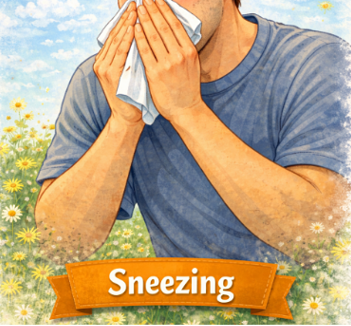
- Sneezing
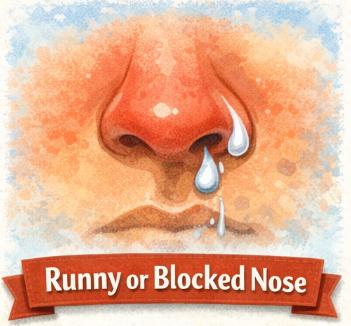
- Runny or blocked nose
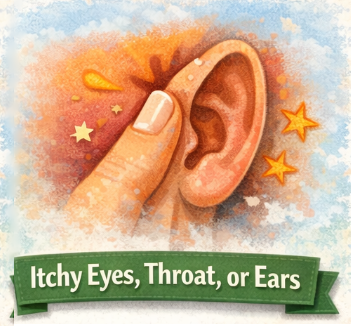
- Itchy eyes, throat, or ears
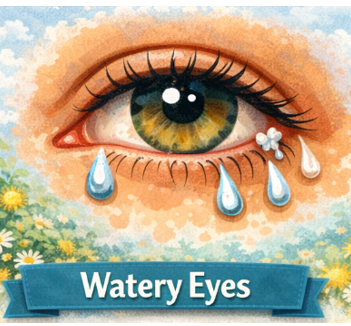
- Watery eyes
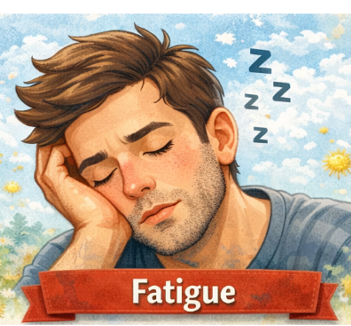
- Fatigue
When does hayfever happen?
The timing depends on the type of pollen:
- Tree pollen appears in early spring
- Grass pollen appears in late spring to early summer
- Weed pollen appears in late summer to autumn
How can I reduce pollen exposure?
- Keep windows closed on high pollen days
- Shower and change clothes after being outdoors
- Avoid drying laundry outside
- Wear sunglasses to protect your eyes
- Check daily pollen forecasts
What treatments are available?
- Antihistamines in tablets or liquids
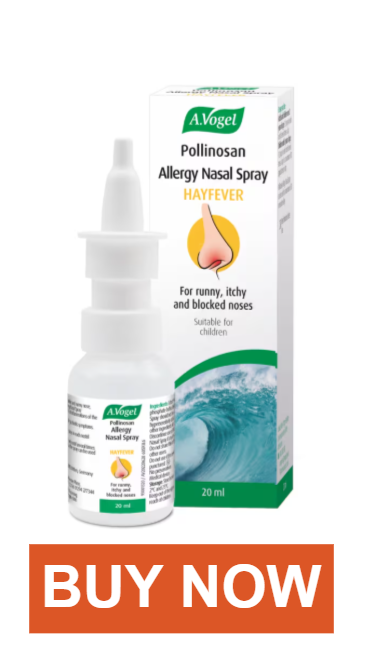
- Nasal sprays, steroid or saline
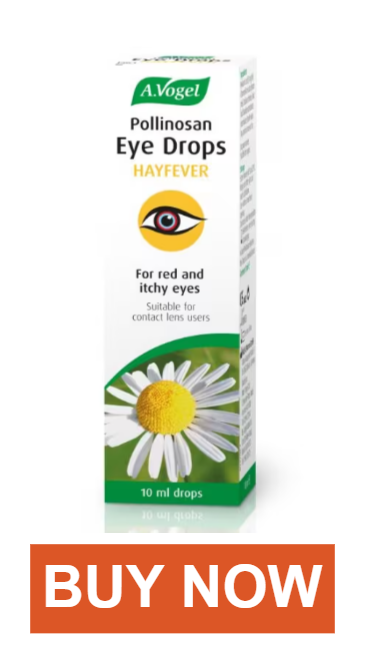
- Eye drops
- Natural remedies like saline rinses or local honey
If your symptoms are severe, your doctor may recommend stronger medications or immunotherapy.
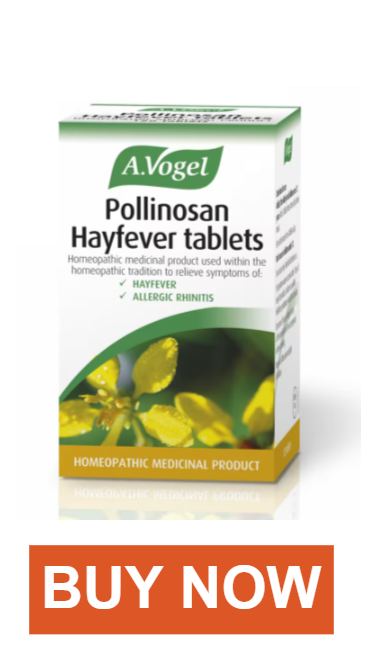
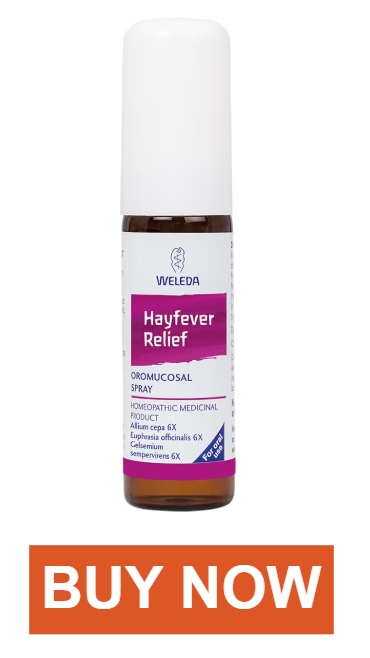
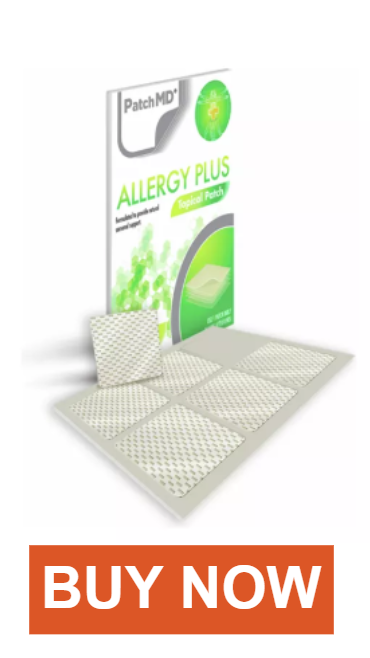
Recommended products for hayfever relief:
Why does hayfever cause fatigue?
Your immune system releases chemicals like histamine, which drains your energy. Congestion also disrupts sleep, adding to fatigue.
Gut Health, Histamine, and Hayfever
What is histamine and why does it matter?
Histamine triggers many hayfever symptoms and naturally occurs in certain foods and the gut. If your body cannot break down histamine efficiently, histamine overload can worsen allergies.
How does gut health affect hayfever?
The gut helps regulate your immune system. An imbalanced gut microbiome can:
- Increase inflammation
- Reduce histamine breakdown
- Intensify allergic reactions
Supplements to Support Gut Health
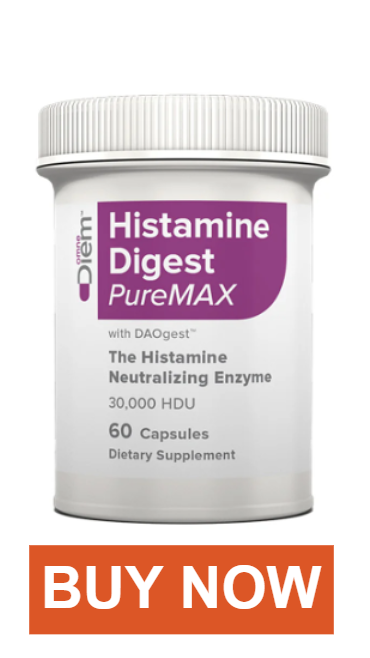
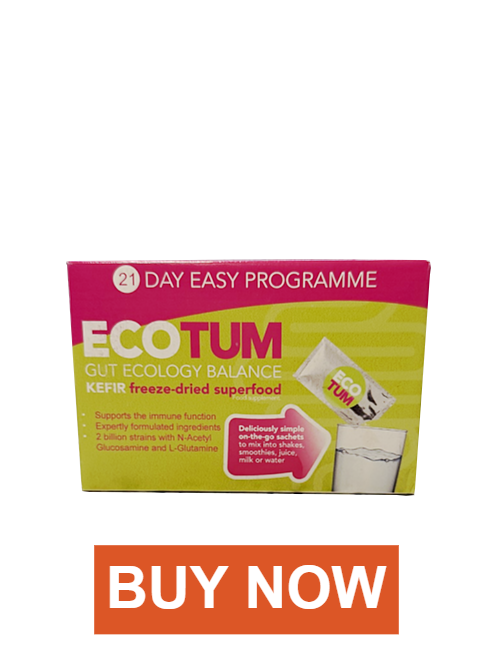
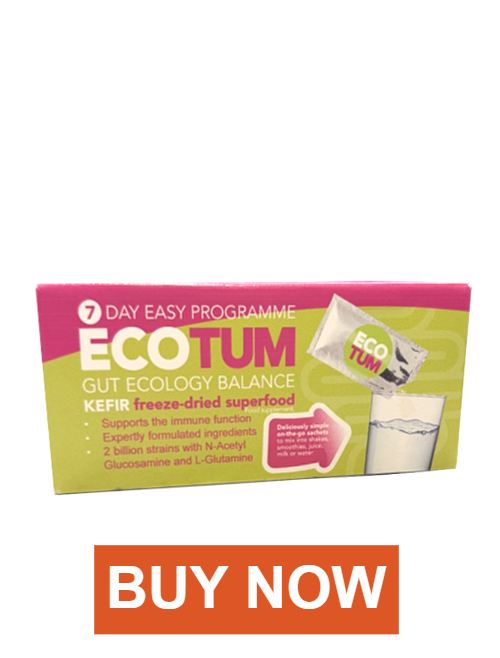
1. Low-Histamine Probiotics
These probiotics rebalance your gut without adding histamine, which some probiotics can worsen.
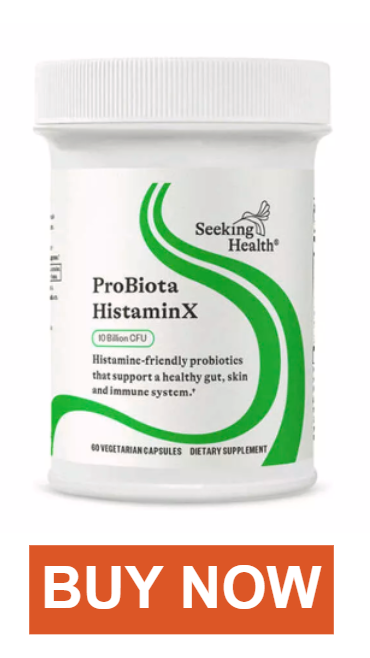
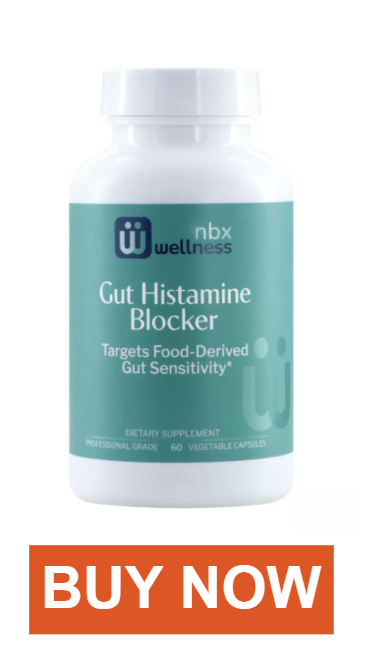
Recommended products:
Benefits:
- Balance gut microbiome
- Reduce inflammation
- Improve histamine breakdown
Strains to look for:
- Bifidobacterium infantis
- Bifidobacterium longum
T&H Supplements: Ideal Probiotic / Gut Support
Avoid if sensitive:
- Lactobacillus casei
- Lactobacillus bulgaricus
2. Quercetin and Vitamin C
These act as natural antihistamines.
Recommended products:
Benefits:
Tip: Take before symptoms start for best results.
3. DAO Enzyme
DAO enzymes help break down histamine from food and prevent overload after meals.
Recommended product:
Tip: Take 15–20 minutes before meals if you suspect histamine intolerance.
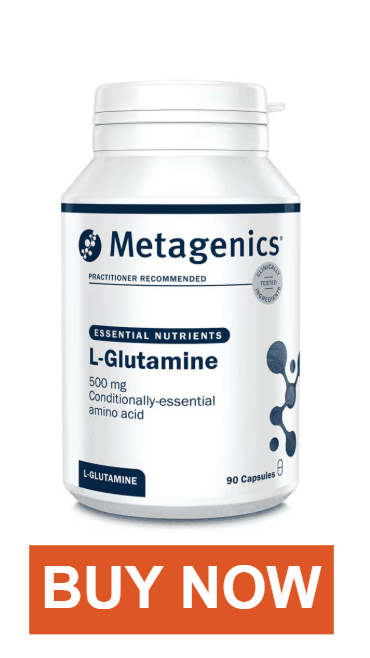
These supplements support long-term gut health and immune balance:
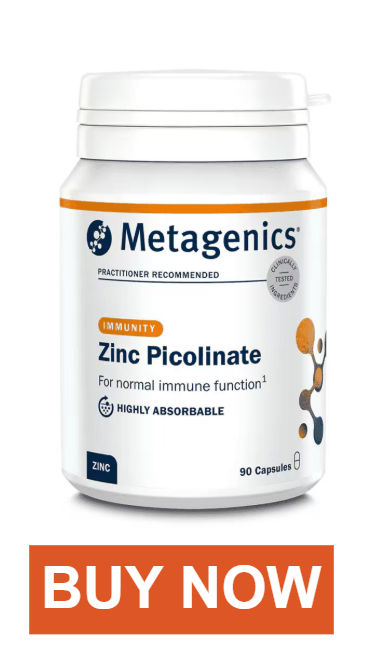
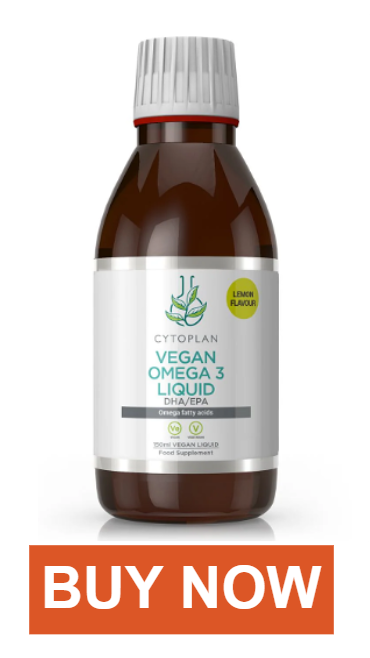
Daily Routine Example
Morning:
Before meals:
- Take DAO enzyme if needed
Evening:
Important Tips
- Eat fresh foods instead of relying solely on supplements; histamine builds in leftovers
- Avoid alcohol, especially wine, as it triggers histamine overload
- Start with a simple routine to avoid over-supplementing
Foods That Help (and Foods to Watch)
Supportive foods:
- Vitamin C-rich: Oranges, kiwi, strawberries, bell peppers
- Quercetin-rich: Apples, onions, broccoli, kale
- Omega-3 sources: Walnuts, flaxseeds, chia seeds
- Gut-friendly foods: Yogurt (if tolerated), kefir, sauerkraut, kimchi
Foods to limit if sensitive:
- Aged cheeses
- Processed meats
- Alcohol, especially wine and beer
- Fermented foods (high in histamine)
- Tomatoes, spinach, and eggplant
Final Thoughts
Hayfever depends not only on pollen but also on your body’s response. Medications help manage symptoms, but supporting gut health and monitoring histamine intake can improve your overall well-being.
- Take a holistic approach:
- Reduce pollen exposure
- Manage symptoms effectively
- Support immune health from within
For natural support and expert guidance on hayfever relief and gut health, visit Turmeric and Honey.