Understanding Cholesterol: The Good and the Bad
Cholesterol often gets a bad reputation, but the truth is more balanced. Your body actually needs cholesterol to build cells, make hormones, and support digestion. Problems arise when levels become imbalanced.
LDL cholesterol (Low-Density Lipoprotein) is often called “bad” cholesterol. High LDL levels can lead to plaque buildup in the arteries, increasing the risk of heart disease and stroke.
HDL cholesterol (High-Density Lipoprotein) is the “good” cholesterol. It helps remove excess cholesterol from the bloodstream and carries it back to the liver for disposal.
The goal isn’t to eliminate cholesterol, but to keep a healthy balance between cholesterol good and bad.
Everyday Tips for Better Heart Health
Supporting your heart doesn’t require extreme changes. Small, consistent habits add up.
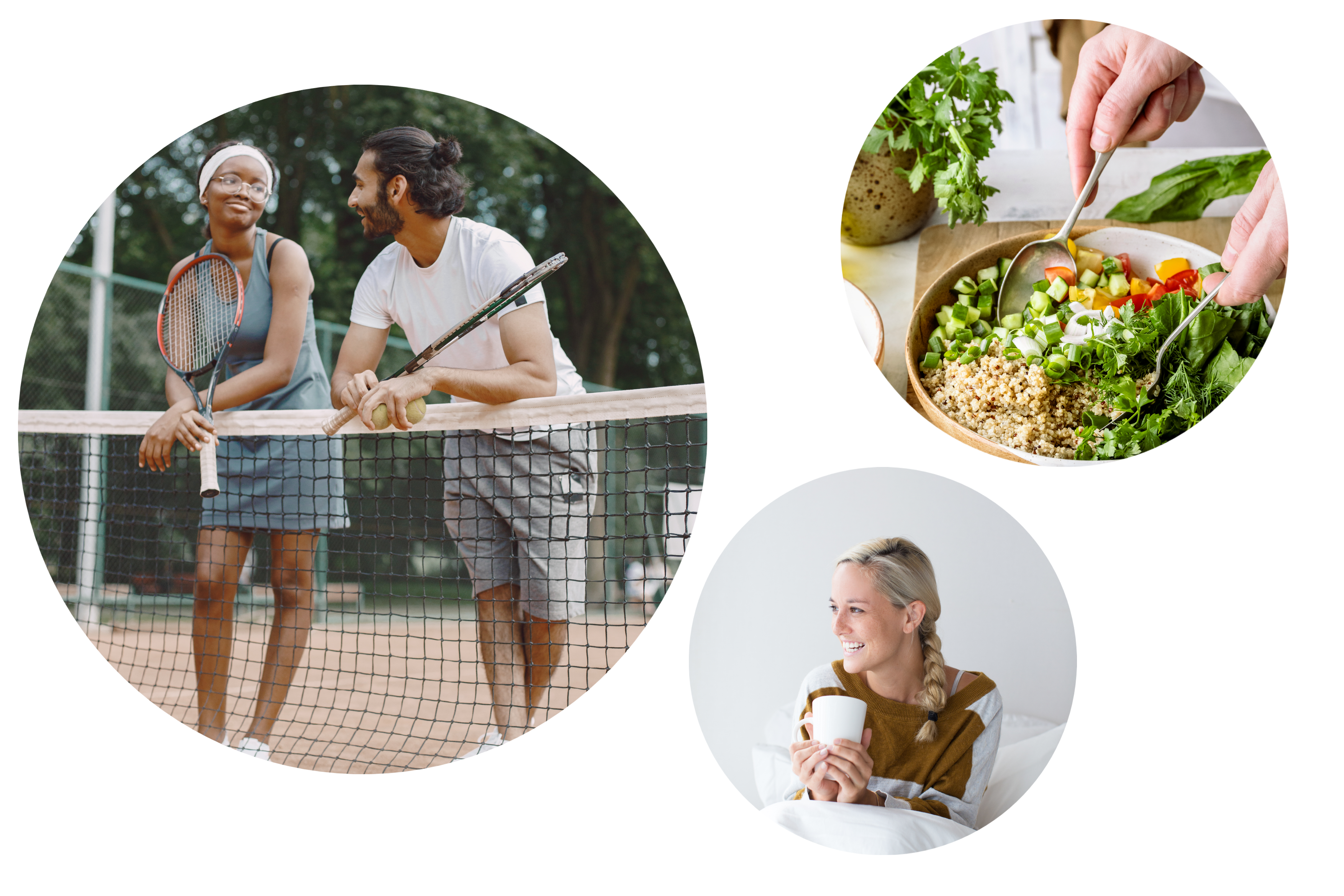
1. Eat Heart-Friendly Foods
- Focus on whole, nutrient-dense foods:
- Fruits and vegetables (especially leafy greens and berries)
- Whole grains like oats, quinoa, and brown rice
- Healthy fats from olive oil, avocados, nuts, and seeds
- Fatty fish such as salmon and sardines for omega-3s
Limiting highly processed foods, excess sugar, and trans fats can help keep LDL cholesterol in check.
2. Stay Active (In a Way You Enjoy)
You don’t have to live at the gym. Even 30 minutes a day of walking, cycling, swimming, or dancing supports circulation, boosts HDL cholesterol, and strengthens the heart.
3. Manage Stress and Sleep
Chronic stress and poor sleep can negatively affect heart health (yes, your heart feels stress too). Deep breathing, mindfulness, regular sleep schedules, and taking breaks during the day all help protect your heart.
Supplements That May Support Heart Health
While supplements should never replace medical care or a balanced diet, some may offer additional support when used wisely and with a healthcare provider’s guidance.
Common Heart-Supporting Supplements:
Omega-3 fatty acids: May help lower triglycerides and support overall cardiovascular health.
Omega & Fish Oils: Plant sterols and stanols: Can reduce the absorption of LDL cholesterol in the gut.
Plant based sterols: Fiber supplements (like psyllium husk): Support digestion and help manage cholesterol levels.
Fiber supplements: Coenzyme Q10 (CoQ10): Supports energy production in heart cells and may be helpful for people taking statins.
Coenzyme Q10 (CoQ10): Red yeast rice: Contains compounds that may lower LDL cholesterol, though it should be used cautiously and under supervision.
Red yeast rice: Always check with a healthcare professional before starting supplements, especially if you take medications.
Emotional Support and Long-Term Success
Heart health isn’t just physical, it's emotional too. Making lifestyle changes can feel overwhelming, and that’s completely normal. Seek support from friends, family, health coaches, or online communities. Progress, not perfection, is what truly matters.
Celebrate small wins: choosing a healthier meal, taking a walk, or scheduling a check-up. These steps build confidence and momentum.
Your heart works hard for you show it a little love in return