Why Magnesium Glycinate Is the Go-To for Sleep, Relaxation, and Muscle Recovery
If you’re looking for a calming, highly absorbable form of magnesium, magnesium glycinate is often the top recommendation.
This form is bound to glycine, an amino acid known for its relaxing effects on the nervous system. Because of this, magnesium glycinate is particularly effective for:
- Improving sleep quality
- Reducing anxiety and stress
- Supporting muscle recovery and reducing cramps
- Promoting overall relaxation without digestive upset
One of its biggest advantages is its gentle effect on the stomach. Unlike some other forms, it’s less likely to cause diarrhea, making it ideal for long-term use.
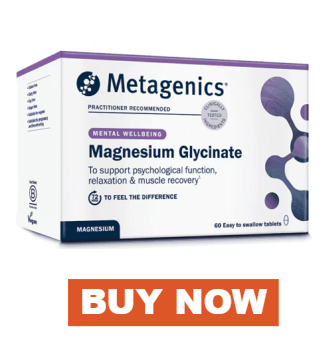
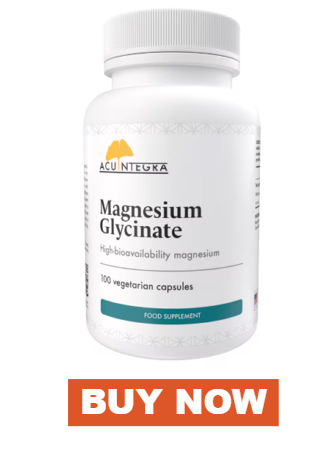
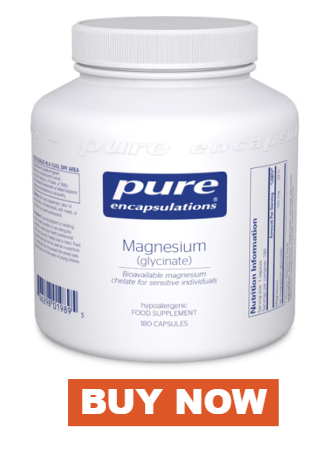
At T&H, we often recommend :
When Magnesium Citrate Is the Better Choice
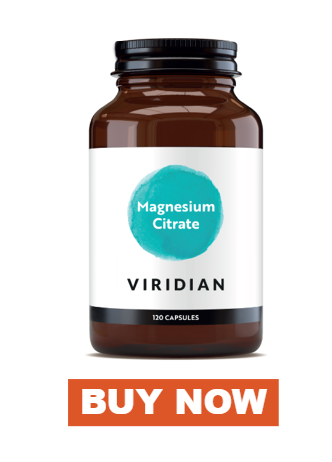
Magnesium citrate is one of the most commonly used and widely available forms—and for good reason.
It’s highly bioavailable and works well for increasing magnesium levels quickly. However, it also has a mild laxative effect, which can be beneficial in certain situations.
Key Benefits:
- Supports digestion and relieves occasional constipation
- Helps maintain healthy magnesium levels
- May assist in headache and migraine prevention
For individuals who experience tension headaches or migraines, magnesium citrate can be a useful option, especially when magnesium deficiency is a contributing factor.
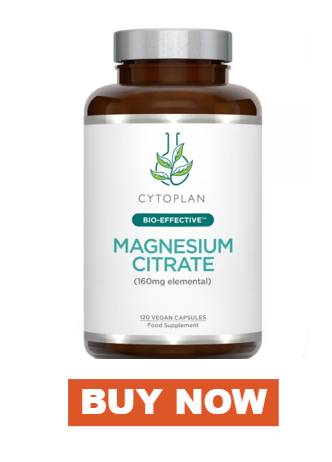
T&H suggests:
How Magnesium Malate Supports Energy and Reduces Fatigue
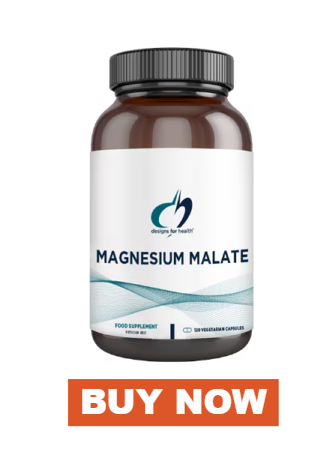
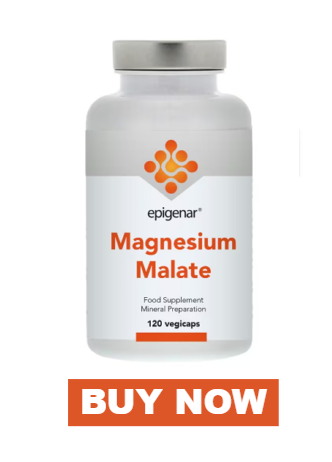
If low energy and chronic fatigue are your main concerns, magnesium malate may be the right choice.
This form combines magnesium with malic acid, a compound involved in cellular energy production (ATP). Because of this, it’s particularly beneficial for:
- Boosting energy levels
- Reducing muscle fatigue and soreness
- Supporting people with chronic fatigue symptoms
- Enhancing overall physical performance
Unlike glycinate, which is calming, magnesium malate tends to have a more energizing effect—making it better suited for daytime use.
One solution we’ve seen work well is:

Lesser-Known Forms of Magnesium (But Still Important)
While glycinate, citrate, and malate are the most commonly used, there are several other forms worth knowing about:
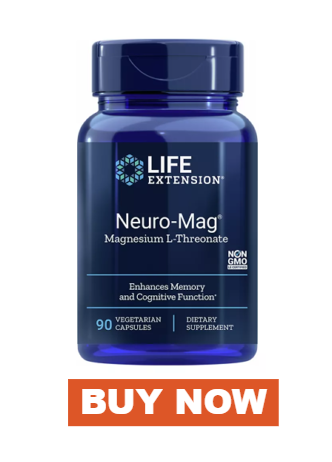
Magnesium L-Threonate
- Known for its ability to cross the blood-brain barrier
- Supports cognitive function, memory, and brain health
- Often used for mental clarity and focus

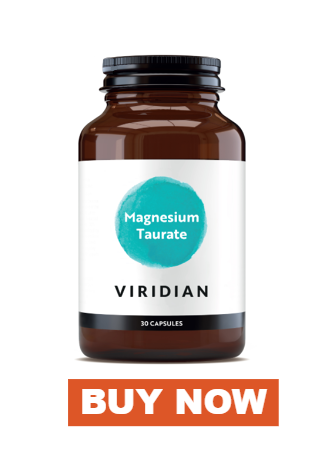
Magnesium Taurate
- Bound to taurine, supporting heart health
- May help regulate blood pressure and cardiovascular function

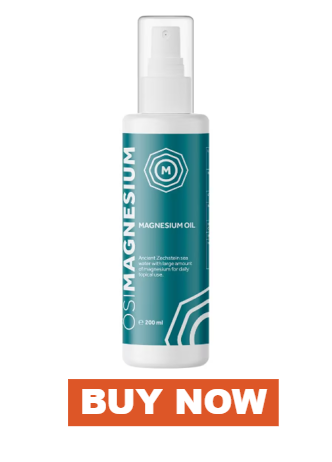
Magnesium Chloride
- Well absorbed and often used in topical forms (oils, sprays)
- Can support muscle recovery and relaxation externally

How to Choose the Right Magnesium for Your Needs
Selecting the right magnesium comes down to your primary health goal:
- Sleep & relaxation: Magnesium glycinate
- Constipation & headaches: Magnesium citrate
- Energy & fatigue: Magnesium malate
- Brain health: Magnesium L-threonate
- Heart support: Magnesium taurate
If you’re unsure, starting with magnesium glycinate is often a safe and effective baseline due to its versatility and tolerability.
T&H have their own range of Magnesium
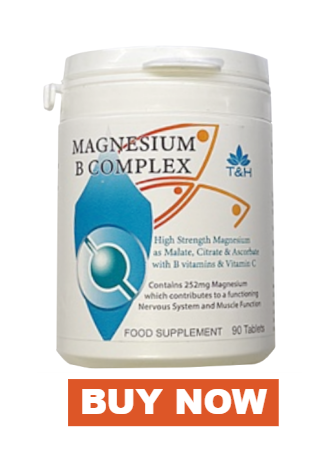
These products are a high strength Magnesium as Malate, Citrate & Ascorbate. With B Vitamins and Vitamin C.
Containing 252mg Magnesium which contributes to a functioning Nervous System and Muscle function.
Magnesium is not a one-size-fits-all supplement. The best type for you depends entirely on your health goals, lifestyle, and how your body responds.
By choosing the right form—whether it’s glycinate for calm, citrate for digestion, or malate for energy—you can unlock the full benefits of this powerful mineral and support your overall well-being more effectively.
If you’re considering adding magnesium to your routine, start with your primary goal in mind—and adjust as needed based on how your body responds.