What is IBS?
IBS (Irritable Bowel Syndrome) is a functional gastrointestinal disorder, meaning it affects how the gut works rather than causing visible damage. It primarily impacts the large intestine and is characterized by a combination of symptoms, including:
- Abdominal pain or cramping
- Bloating and gas
- Diarrhea, constipation, or alternating between both
- Changes in bowel habits
IBS is typically categorized into three main types:
- IBS-D (diarrhea-predominant)
- IBS-C (constipation-predominant)
- IBS-M (mixed type)
What Causes IBS?
The exact cause of IBS is not fully understood, but research suggests it is linked to several factors:
1. Gut-Brain Connection
The gut and brain communicate closely. In IBS, this communication can become disrupted, leading to abnormal bowel movements and heightened pain sensitivity.
2. Gut Microbiome Imbalance
An imbalance in the gut bacteria (also called dysbiosis) is one of the most significant contributors to IBS symptoms. A lack of beneficial bacteria can lead to inflammation, gas, and digestive discomfort.
3. Food Sensitivities
Certain foods may trigger IBS symptoms, such as:
- Dairy products
- Gluten
- High FODMAP foods (fermentable carbohydrates)
4. Stress and Lifestyle
Stress doesn’t cause IBS directly, but it can worsen symptoms significantly by affecting gut function.
5. Previous Infections
Some people develop IBS after a severe intestinal infection (post-infectious IBS).
How to Manage IBS Naturally
While there is no one-size-fits-all cure for IBS, symptoms can be effectively managed through lifestyle and dietary changes.
Diet Adjustments
- Follow a low-FODMAP diet
- Avoid trigger foods
- Eat smaller, more frequent meals
Stress Management
- Practice mindfulness or meditation
- Exercise regularly
- Improve sleep quality
Hydration
- Drink plenty of water to support digestion
Probiotics for IBS Relief
One of the most promising and natural ways to manage IBS symptoms is through probiotics.
What Are Probiotics?
Probiotics are live beneficial bacteria that support gut health. They help restore balance in the gut microbiome, which is often disrupted in IBS sufferers.
How Probiotics Help IBS
1. Restore Gut Balance
Probiotics replenish good bacteria, helping reduce harmful bacteria that cause bloating and discomfort.
2. Reduce Inflammation
Certain probiotic strains can calm inflammation in the gut lining, easing pain and sensitivity.
3. Improve Digestion
They help break down food more efficiently, reducing gas and bloating.
4. Regulate Bowel Movements
Different strains can help normalize bowel function, whether you experience diarrhea or constipation.
Best Probiotic Strains for IBS
Certain bacterial groups tend to deliver more consistent and effective results compared to others.
When choosing a probiotic, look for clinically studied strains such as:
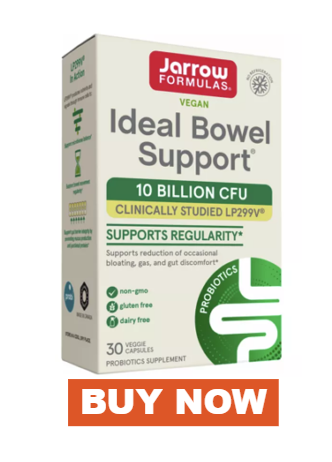
Ideal Bowel Support® LP299v® contains a clinically-documented, human-origin probiotic strain, L. plantarum 299v, that resists stomach acid and bile salts and demonstrated specific adherence properties for colonization of human intestinal mucosa.* L. plantarum 299v has been used in human clinical studies for intestinal health and function.*
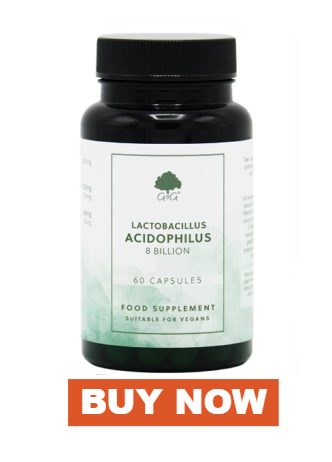
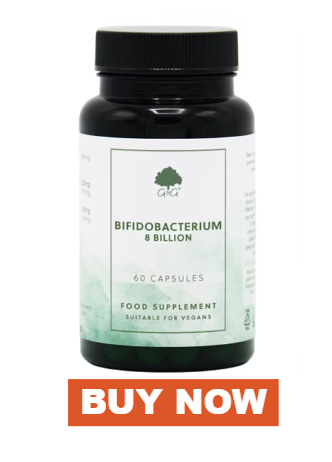

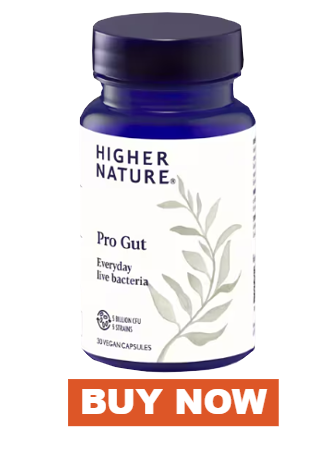
T&H recommend ECOTUM: Support Gut Ecology and Digestive Balance.
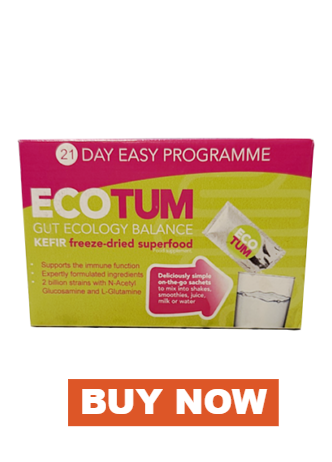
This advanced formula features freeze-dried kefir to help nourish beneficial gut bacteria while supporting normal immune function.
Carefully developed with N-acetyl glucosamine and L-glutamine, it contributes to the maintenance of a healthy gut lining and promotes overall digestive comfort. The convenient powder format blends effortlessly into water, milk, or juice, allowing for seamless integration into a daily wellness routine.
An excellent choice for individuals seeking to restore and rebalance digestive health in a practical and accessible manner.
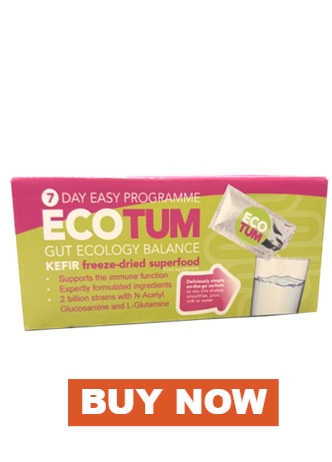
A simple 7-day programme designed to support gut ecology and digestive balance.
Choosing the Right Probiotic Supplement
To get the best results, consider the following when selecting a probiotic:
- High CFU count (at least 1–10 billion CFUs)
- Multiple strains for comprehensive support
- Shelf stability and quality assurance
- Targeted formulas designed for digestive health or IBS
Additional Gut-Supporting Products
To enhance probiotic effectiveness, consider combining with:
These are fibers that feed good bacteria and help probiotics thrive.
Support the breakdown of food and reduce bloating.
Soluble fiber (like psyllium husk) can help regulate bowel movements.
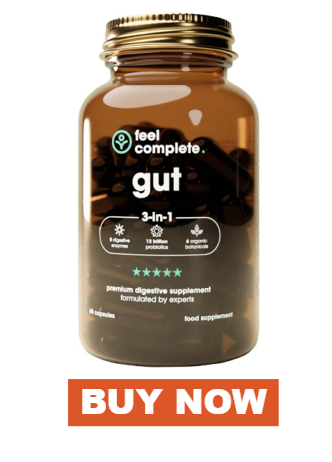
T&H recommends a product that has all three in one: Prebiotics, Digestive Enzymes & Fiber.
Tips for Maximum Relief
- Start probiotics slowly to allow your gut to adjust
- Be consistent—results may take a few weeks
- Pair probiotics with a healthy diet
- Track your symptoms to identify what works best
If you’re looking for a natural, effective way to support your digestive system, probiotics are a powerful tool worth incorporating into your daily routine.