Why Protein Is Essential at Every Age
Protein is made up of amino acids that the body uses to:
● Build and repair tissues
● Maintain muscle mass
● Produce enzymes and hormones
● Support immune health
● Regulate metabolism
● Promote healthy skin, hair, and nails
Because the body does not store protein the way it stores fats and carbohydrates, consistent daily intake is crucial.
Protein Before Birth: Pregnancy & Fetal Development
During pregnancy, protein plays a foundational role in fetal growth and maternal health.
Key Functions During Pregnancy:
● Supports development of fetal organs, muscles, and brain
● Assists in placental growth
● Expands maternal blood supply
● Prepares breast tissue for lactation.
Protein requirements increase, especially in the second and third trimesters. Insufficient intake may contribute to low birth weight and impaired development.
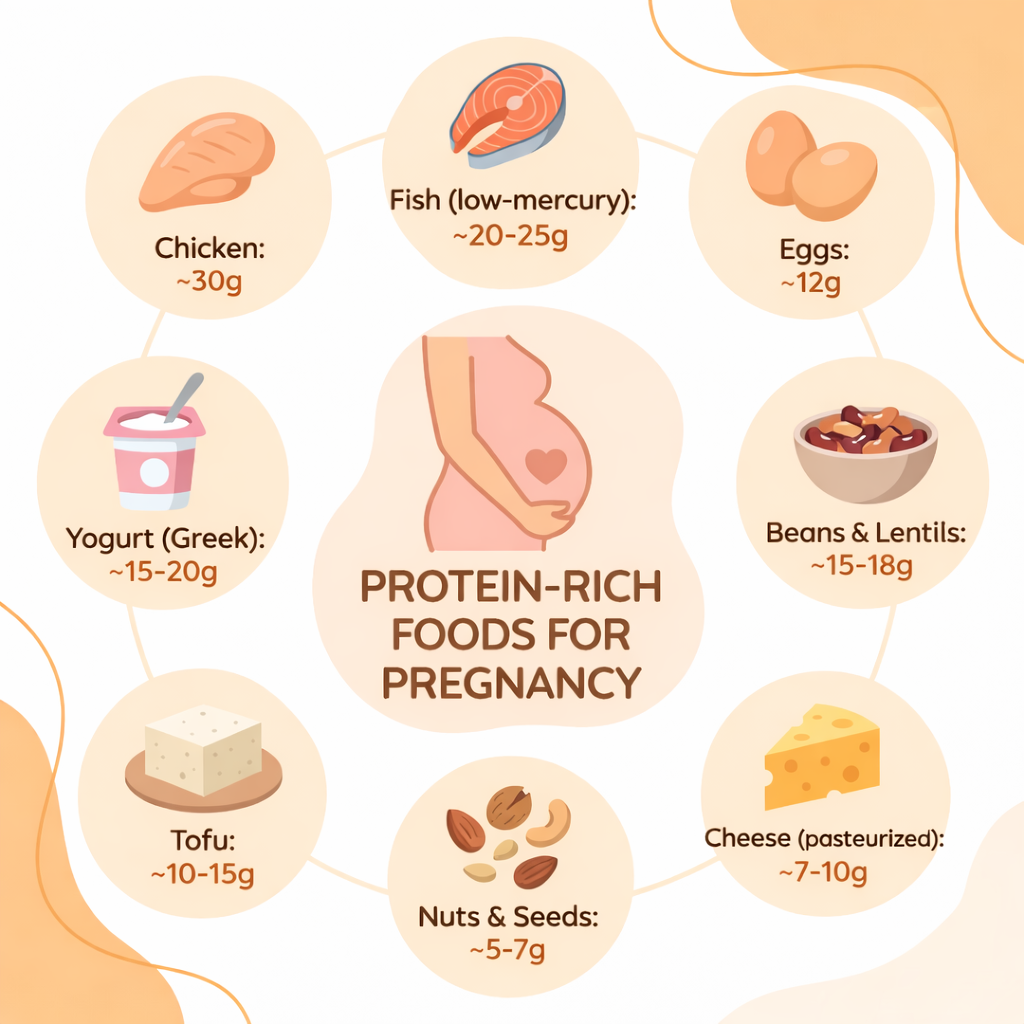
Best protein sources during pregnancy include:
● Eggs
● Lean poultry and meat
● Low-mercury fish
● Dairy products
● Lentils and beans
● Tofu and soy products
Protein in Infancy and Childhood: Building the Foundation
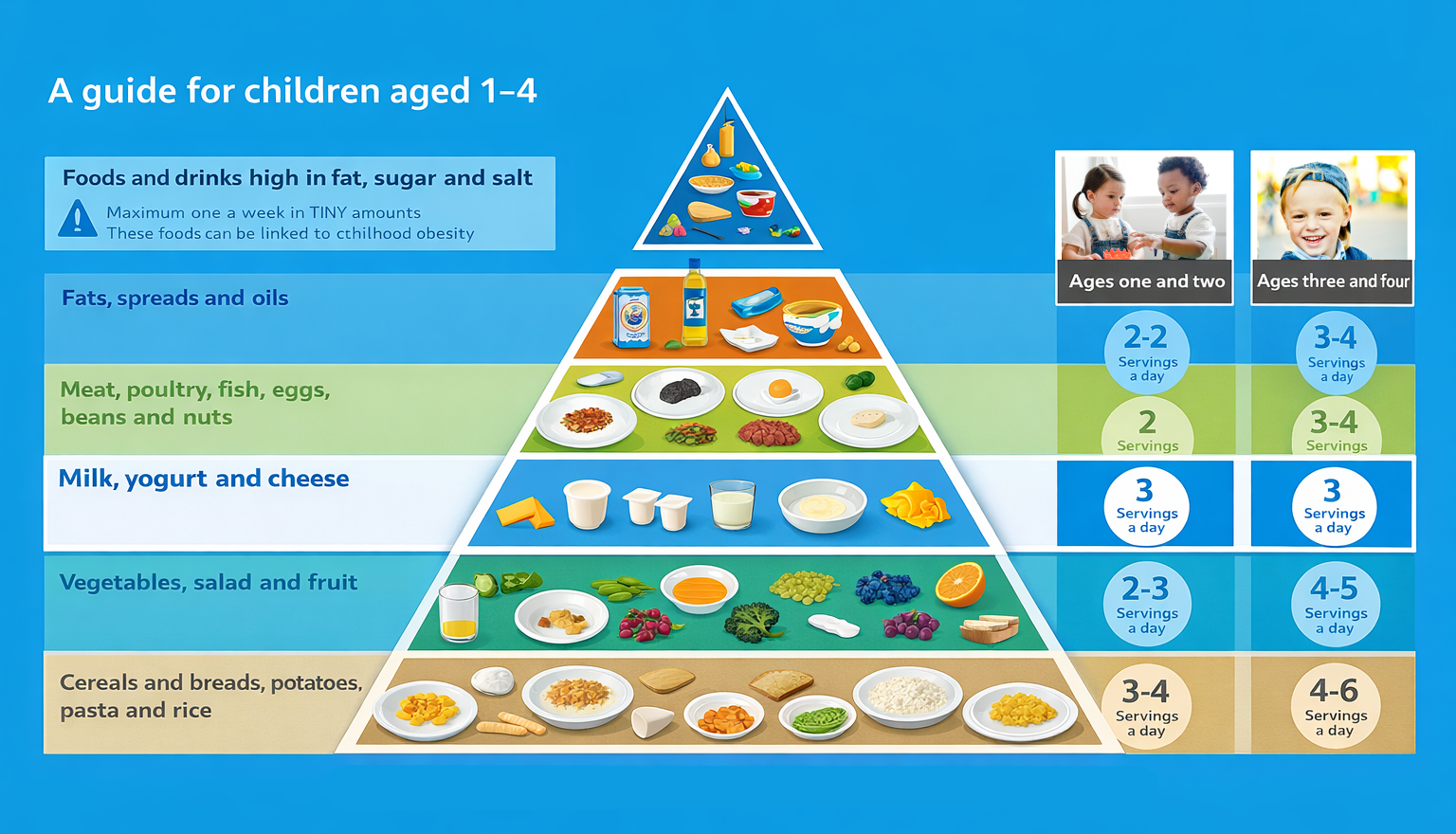
Childhood is a period of rapid growth and development. Protein supports:
● Height and skeletal growth
● Brain development
● Immune system strength
● Muscle and tissue formation
Breast milk naturally provides highly digestible, high-quality protein tailored to infants’ needs. As children grow, incorporating balanced meals with adequate protein becomes essential.
Signs of inadequate protein intake in children may include:
● Poor growth
● Fatigue
● Frequent infections
● Delayed development


Protein in Adolescence: Fueling Growth Spurts
Adolescence brings hormonal changes and rapid physical growth. Protein becomes especially important to:
● Support lean muscle development
● Maintain energy levels
● Enhance sports performance
● Assist hormonal regulation
Teenagers, particularly athletes, often require higher protein intake to meet increased metabolic demands.
Encouraging balanced meals with protein at breakfast, lunch, and dinner supports healthy development during this critical stage.
Protein in Adulthood: Maintenance and Metabolic Health
In adulthood, the focus shifts from growth to maintenance and repair.
Benefits of Adequate Protein Intake:
● Preserves lean muscle mass
● Supports tissue repair
● Enhances satiety and weight management
● Maintains bone strength
● Stabilizes blood sugar levels
Higher-protein diets can be beneficial for individuals aiming for fat loss while preserving muscle mass.
Protein in Older Adults: Preventing Muscle Loss
Aging is associated with sarcopenia, the natural loss of muscle mass and strength.
Adequate protein intake helps older adults:
● Preserve muscle function
● Reduce fall risk
● Maintain independence
● Support immune resilience
Interestingly, older adults often require more protein per kilogram of body weight than younger adults due to reduced muscle-building efficiency (anabolic resistance).
Combining protein intake with resistance training provides the greatest benefit.
Understanding Protein Quality
Not all protein sources are equal. Protein quality depends on:
1. Essential amino acid composition
2. Digestibility
3. Bioavailability
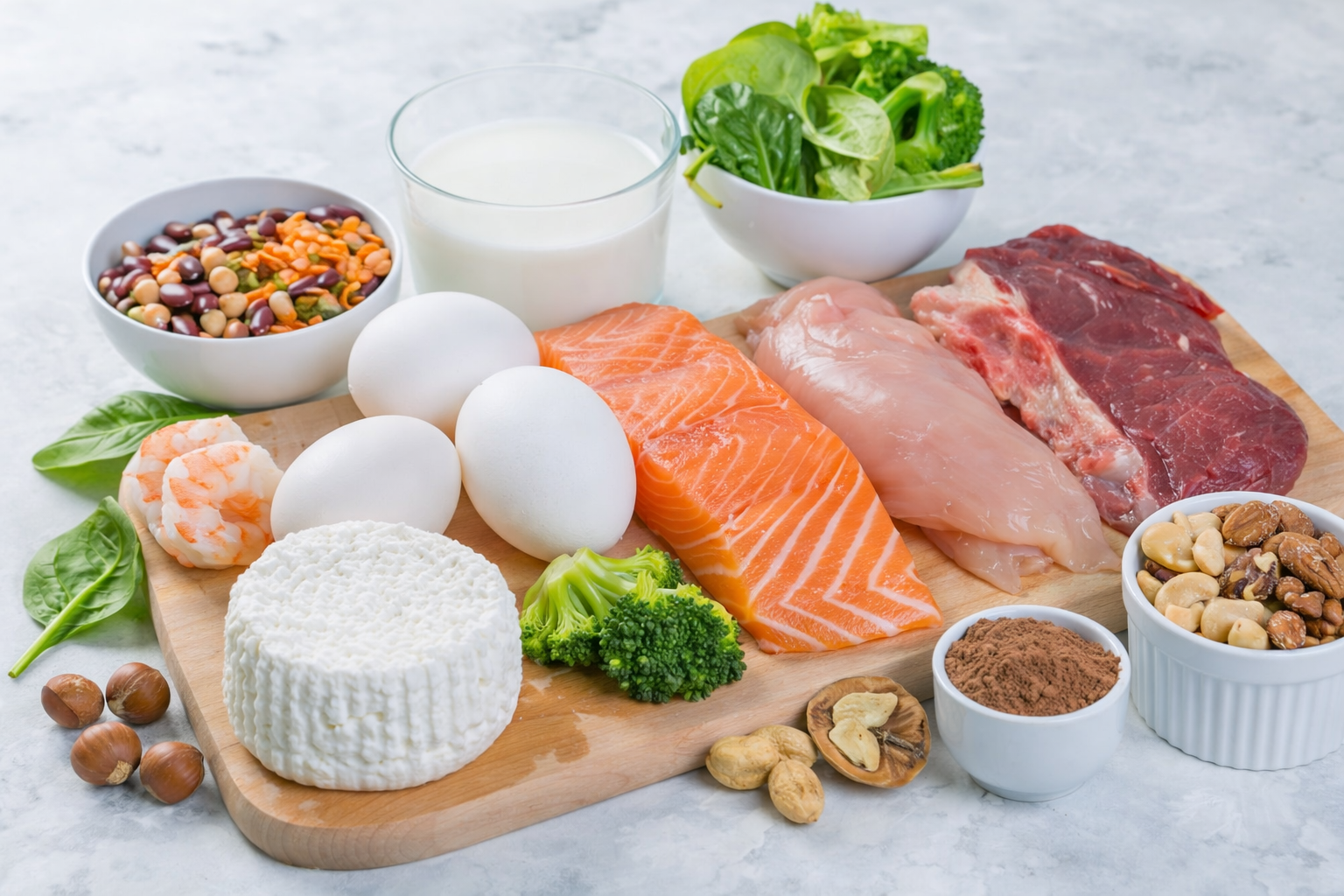
Complete Proteins
Contain all nine essential amino acids:
● Eggs
● Dairy
● Meat
● Fish
● Soy
Incomplete Proteins
Most plant proteins lack one or more essential amino acids. However, combining foods like rice and beans creates a complete amino acid profile.
How to Support Adequate Protein Intake
To maintain optimal protein levels throughout life:
● Include a protein source at every meal
● Distribute protein evenly across the day
● Choose a variety of plant and animal sources
● Focus on whole, minimally processed foods
● Consider supplementation when medically necessary
General Daily Protein Guidelines (Approximate)
● Children: 1.0–1.2 g/kg body weight
● Adolescents: 1.0–1.5 g/kg
● Adults: 0.8–1.2 g/kg
● Older adults: 1.0–1.5 g/kg
Individual needs vary based on activity level, medical conditions, and overall health.